
Smart Home Systems: LOXONE vs KNX – An Objective Analysis
KNX operates as an internationally recognized protocol for building automation. Multiple manufacturers produce compatible sensors, actuators, and software applications that can be integrated together. While this creates extensive product options, it also introduces significant complexity during installation and configuration.
LOXONE follows a distinctly different philosophy: functioning as both a software and hardware developer, LOXONE delivers an integrated ecosystem for building automation – suitable for everything from residential homes to large-scale commercial developments.
Numerous smart home professionals globally have adopted LOXONE as their preferred alternative to KNX. In this comparison, we’ll examine the key distinctions between these two automation platforms.
System Compatibility & Integration
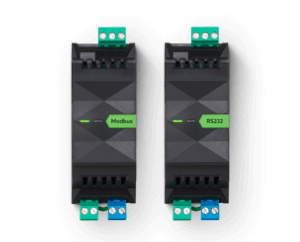
LOXONE: Through comprehensive interface support, the system seamlessly integrates with established protocols including KNX, DALI, Modbus, EnOcean, and DMX. The platform holds official certifications from Apple HomeKit, Bosch-Siemens, Belimo, and numerous other leading manufacturers. This versatile foundation makes LOXONE a popular choice for those seeking alternatives to traditional KNX systems.
KNX: As an open protocol, KNX benefits from a diverse ecosystem of manufacturers supplying various components for installations. However, this multi-vendor approach can introduce challenges during system implementation and integration.
System Scalability
LOXONE: Projects scale effortlessly across all building sizes – from individual residences to expansive commercial facilities. The client gateway architecture enables multiple Miniservers to operate within a unified network, even spanning across different geographical locations.
KNX: KNX installations offer considerable scalability based on application requirements, desired features, and project scope. That said, once systems exceed 64 connections, additional hardware components like supplementary power supplies become necessary, creating extra installation complexity and effort.
System Intelligence Architecture
LOXONE: The Miniserver serves as the central intelligence hub for the entire automation system. This singular control unit manages all automation logic, control functions, and smart operations throughout the building.
KNX: In KNX systems, intelligence is distributed across the network, with processing capabilities embedded within individual sensors and actuators rather than centralized in one location.
User Interface & Visualization
LOXONE: The system automatically generates user interfaces at no additional cost, providing immediate visualization without extra programming requirements.
KNX: Creating user interfaces requires separate programming work and additional hardware components, resulting in increased project costs beyond the base system.
Software & Licensing
LOXONE: All software applications and mobile apps are provided completely free of charge with no licensing fees – this includes ongoing updates and remote access capabilities.
KNX: Project programming requires ETS software, which involves licensing costs. System updates and additional tools also require separate purchases.
Configuration & Programming
LOXONE: LOXONE Config streamlines the commissioning process for speed and efficiency. With over 250 pre-built logic blocks and automatic configuration features, system setup becomes largely automated. Custom adjustments and personalization remain fully accessible when needed.
KNX: Programming through ETS software tends to be intricate and time-intensive. Variations between different manufacturers’ components frequently create additional complexity and extended setup times.
Investment & Licensing Costs
LOXONE: The system operates without any licensing fees. The unified platform structure ensures transparent and predictable investment costs, with clear visibility on ongoing expenses. This economic clarity makes LOXONE an appealing option for many electrical contractors and installers.
KNX: Beyond component purchases, projects incur additional expenses for ETS licenses, software updates, and potentially supplementary programming tools. This creates a more complex and less transparent cost structure overall.